
Prof Max Velmans – The Ultimate Nature of Everything
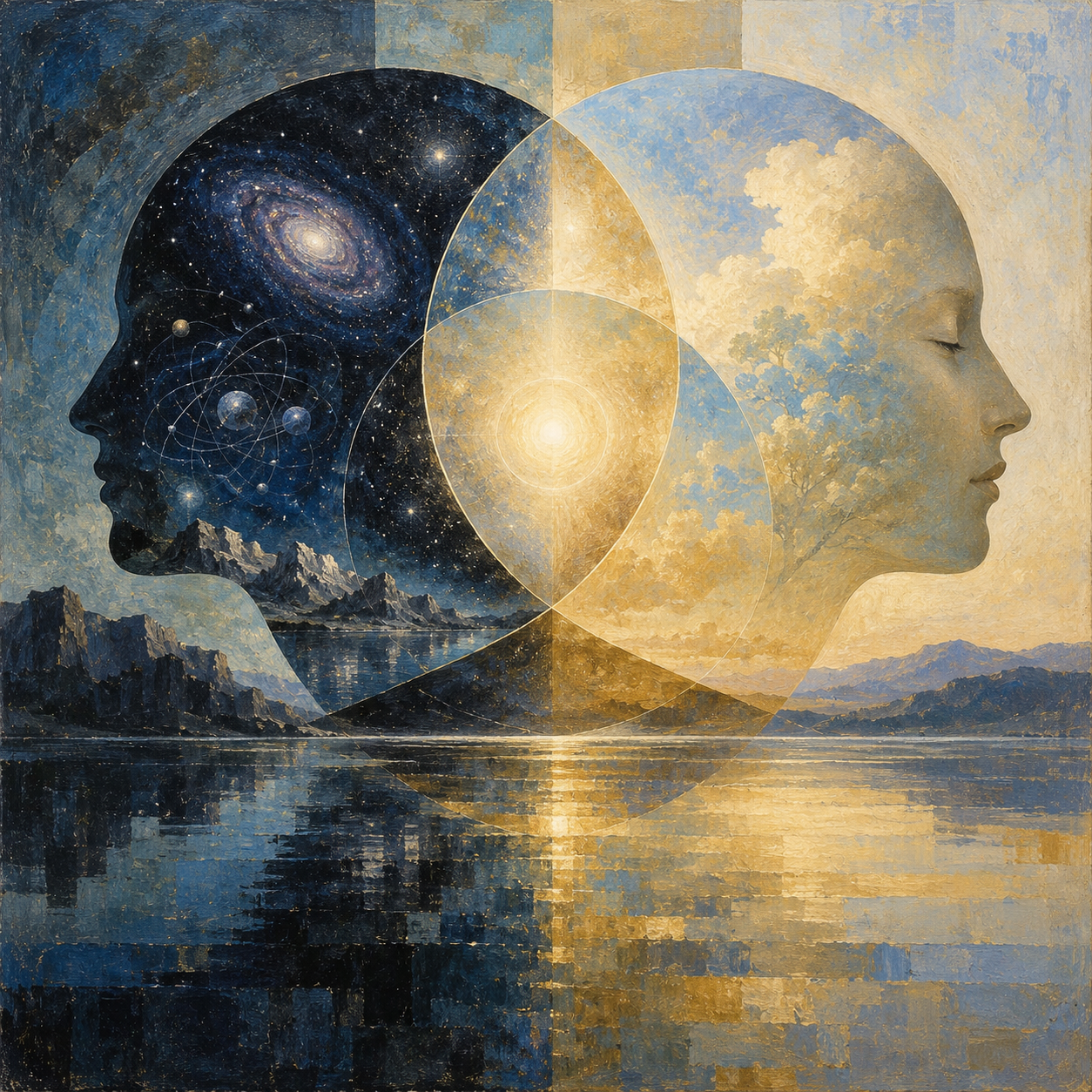
The ultimate nature of everything must ground both the material world and our ability to experience that world. One way to understand that ultimate nature therefore involves a form of reverse engineering. What could ground the material world and our ability to experience it in the way that we do? Materialist theories assume physical processes to be fundamental but face the “hard problem of consciousness”. Idealist theories assume a form of “pure consciousness” to be fundamental but face the “inverse hard problem of material forms.” Materialism places its ultimate trust in third-person knowledge. Idealism places its trust in first-person knowledge. However, these are not the only options. Reflexive Monism treats first- and third-person approaches to knowledge as complementary and mutually irreducible, reflecting a fundamental complementarity between consciousness and energy within the ground of being. This alternative framework of understanding dissolves both the hard and inverse hard problems. It also enables an expanded, more inclusive understanding our being in the world.
MAX VELMANS, professor emeritus of psychology, Goldsmiths, University of London, is a Fellow of the British Psychological Society, a Fellow of the Academy of the Social Sciences, and has been involved in consciousness studies for over 50 years. His main research focus is on integrating work on the philosophy, cognitive psychology, and neuropsychology of consciousness, and, more recently, on East–West integrative approaches. He has over 130 publications on these topics. His book Understanding Consciousness (2000, 2nd ed. 2009) develops Reflexive Monism, an analysis of the conscious self-observing universe, that was shortlisted for the British Psychological Society book award in both 2001 and 2002 and listed as the year 2000 “milestone in psychology” by Psychologie Heute in 2024. Other publications include Consciousness (2018) (a four-volume collection of major works), Towards a Deeper Understanding of Consciousness (2017), the co-edited Blackwell Companion to Consciousness (2007, 2nd ed. 2017), How Could Conscious Experiences Affect Brains? (2003), Investigating Phenomenal Consciousness: New Methodologies and Maps (2000), and The Science of Consciousness: Psychological, Neuropsychological and Clinical Reviews (1996). He was a co-founder and 2004–06 chair of the Consciousness and Experiential Psychology Section of the British Psychological Society, and an Indian Council of Philosophical Research National Visiting Professor for 2010–11.
Speaker
-
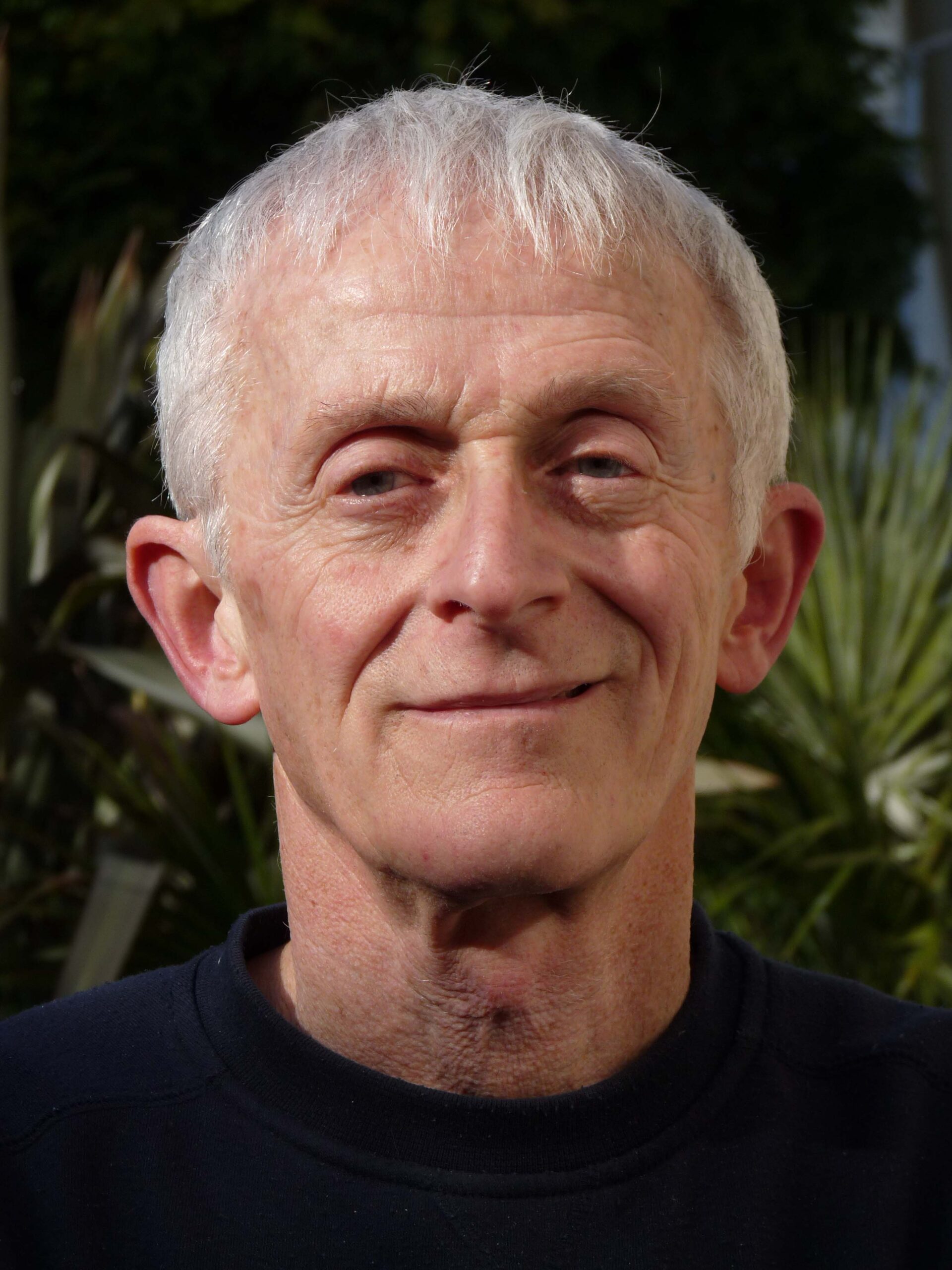 Max VelmansProfessor
Prof Emeritus of Psychology, Goldsmiths, University of London
