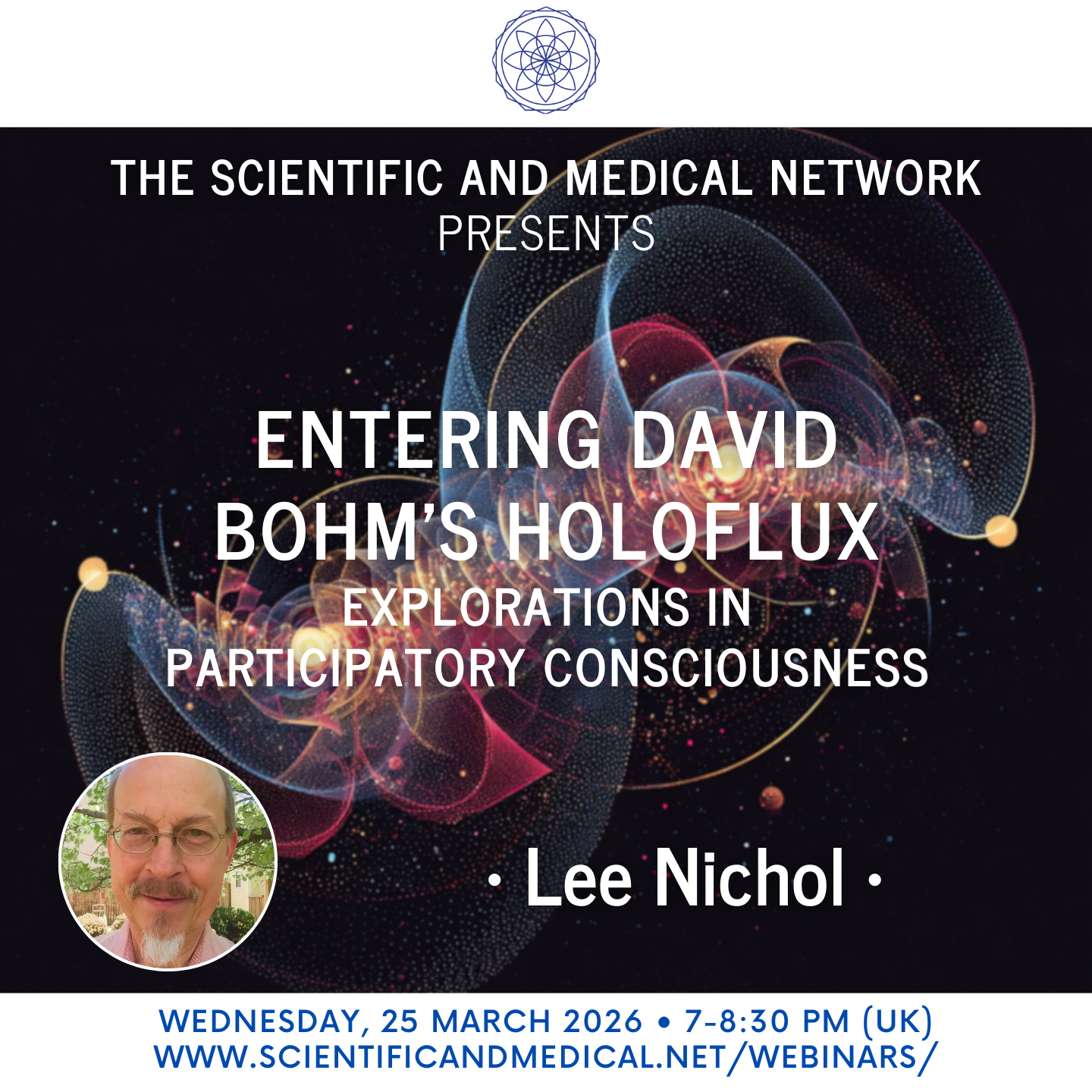
Lee Nichol – Entering David Bohm’s Holoflux: Explorations in Participatory Consciousness
Are you ready to move beyond thinking about consciousness, and start feeling it?
This webinar will explore various possibilities for having a concrete, embodied sense of the work of physicist-philosopher David Bohm. Widely known for his implicate order hypothesis, and his work with social dialogue, Bohm also placed an emphasis on the somatic nature of experience, especially with regard to understanding his various proposals. We will explore a new approach called rheosoma (the flowing body) as one way to enter what Bohm termed the holoflux – the movement and patterning of all creation.
This webinar by Lee Nichol will be followed by live Q&A.
•
About the speaker:
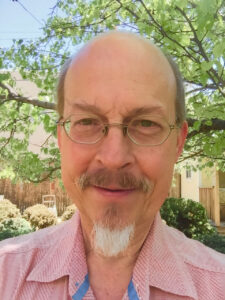
Lee Nichol is Director of Bohmian Studies at the Pari Center in Pari, Italy. He was a friend and colleague of David Bohm, and is editor of Bohm’s On Dialogue; The Essential David Bohm; and On Creativity.
TICKETS
Please note: This event is included in the Season Ticket.
All bookings will receive a link to view the RECORDING.
By registering for and attending this event, you acknowledge that your name, voice, and any video you choose to share may appear in the recording. If you prefer not to be included in the recording, please keep your camera switched off and use the chat function to submit questions. Event recordings will be made available to ticket holders and members, and may be used in future educational or promotional materials.
Speaker
-
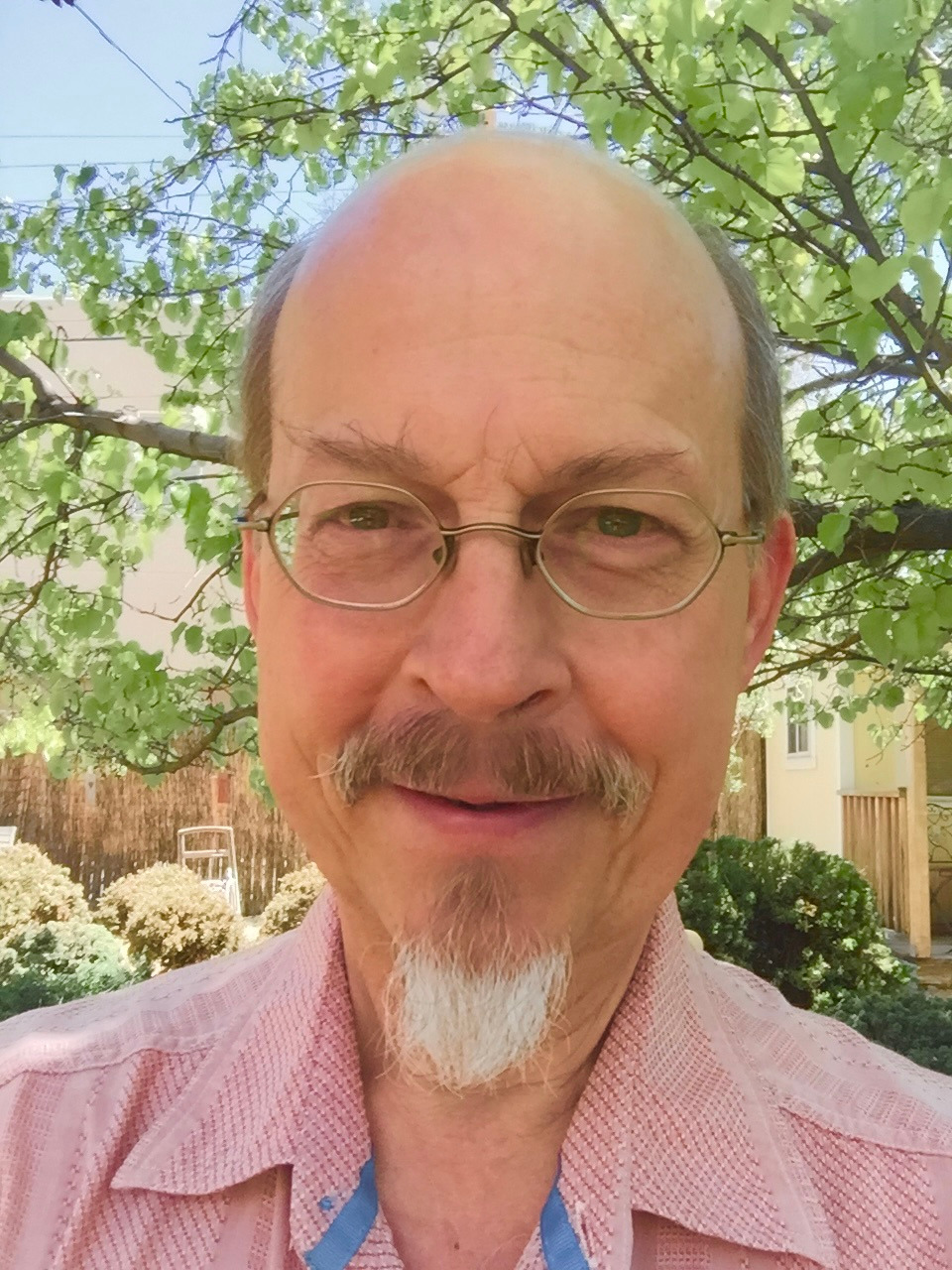 Lee NicholDirector
Lee Nichol is Director of Bohmian Studies at the Pari Center in Pari, Italy. He was a friend and colleague of David Bohm, and is editor of Bohm’s “On Dialogue”; “The Essential David Bohm”; and “On Creativity”.